
Catgirl Fantasy Alchemy Guide: Recipes, Notes and Materials
How alchemy works in Catgirl Fantasy: finding recipe notes, where materials drop, what to craft first and what to skip.
Quick answer: alchemy turns enemy drops into healing items, buffs and upgrade materials, and the recipe list grows when you find Alchemist's Notes in the world. Craft healing items first, then the materials you need for weapon upgrades, and skip anything that duplicates a drop you already get for free.
Craft revives before the final sequence. The last battle is two fights with no save between them.
For the strongest options, the catgirl fantasy best weapons→ page ranks the main choices and explains when each one wins.
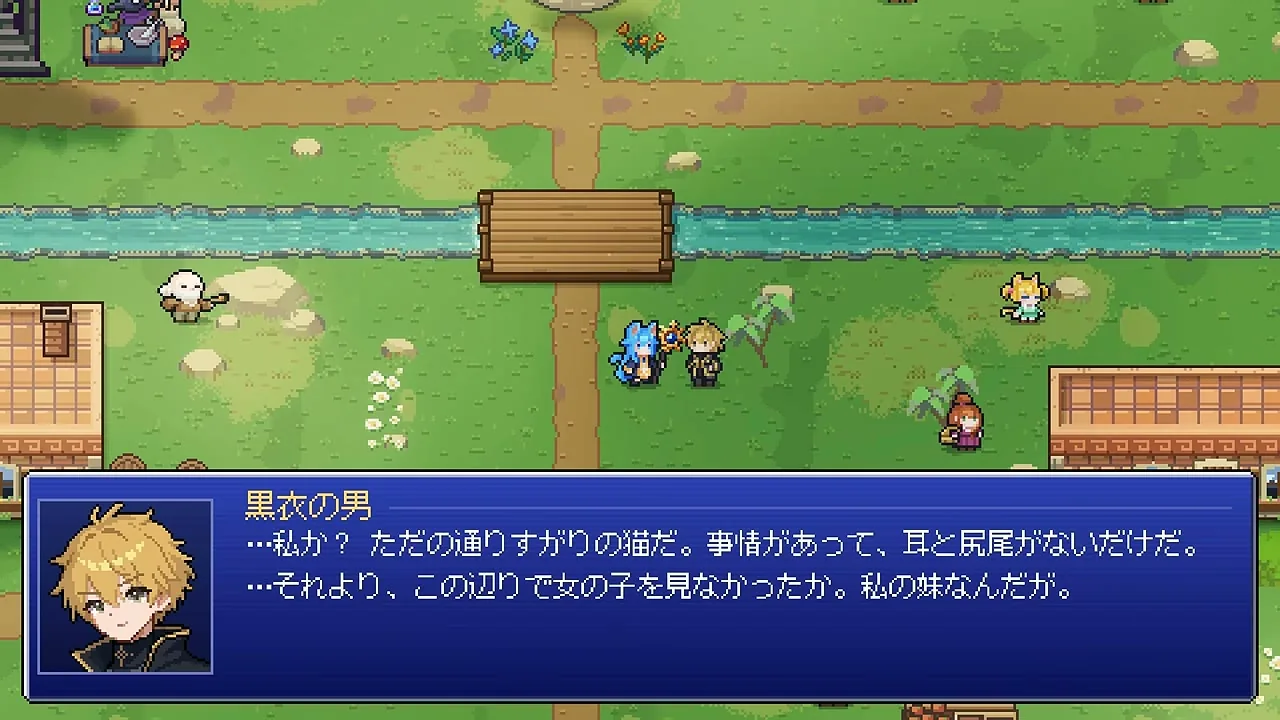
The system is optional in the sense that you can finish the story without it. It stops being optional when you run low on revives before the final battle, which is exactly when a stack of crafted potions saves the run.

How alchemy works
You combine two or more materials at the alchemy station, usually in town or at a dedicated NPC. Recipes are not all available from the start: some are learned from Alchemist's Notes, and the first one is written by Celine, the alchemist who explains the system.
The catgirl fantasy weapon proficiency→ page goes deeper on the exact numbers and edge cases.
A note does not give you the materials. It gives you the recipe. You still need to farm the drops, which is why alchemy and dungeon exploration are linked.
The crafting menu shows:
- Known recipes with their ingredient list.
- Materials you own versus materials you need.
- The result's effect, including whether it is a consumable or an upgrade component.
There is no crafting level or failure chance. If you have the materials, the craft succeeds.
What to craft first
1. Healing items
Potions are the backbone of any RPG, and Catgirl Fantasy is no exception. Craft the tier you can afford and keep at least five on hand before every boss.
Why craft instead of buy: shop prices rise faster than drop rates, and the crafted version often heals more for the same inventory slot.
2. Revives
The final battle is a consecutive fight, and a revive item is the difference between a wipe and a clear. Craft these before you craft anything cosmetic or offensive.
3. Upgrade materials
Weapon strengthening needs specific materials, and some of them are craftable from common drops. This is the most efficient use of surplus monster parts: convert the junk you would sell into the ore or essence you actually need.
4. Buff items
Attack and defense buffs are nice for bosses and unnecessary for trash. Craft a small stack, not a warehouse.
Where materials come from
Materials drop from enemies and appear in chests. The practical farming rules:
- Dungeon enemies drop dungeon materials. If you need a late-game material, farm the late-game dungeon, not the starting forest.
- Chests respawn only on a new run. Do not expect to re-loot the same chest.
- Sell surplus white gear, not materials. Materials are the bottleneck; gear is replaceable.
The alchemy NPC will tell you which enemies drop a missing material if you ask. That dialogue is easy to skip; read it once.
Recipes worth prioritizing
| Recipe type | Priority | Why |
|---|---|---|
| Healing potion | Highest | Every boss, every dungeon |
| Revive | Highest | Consecutive final battle |
| Weapon ore | High | Proficiency plus upgrades is the damage curve |
| Attack buff | Medium | Boss opener only |
| Defense buff | Medium | Telegraph turns |
| Antidote | Low | Status ailments are rare early |
| Cosmetic or joke items | Skip | No combat value |
Alchemy and the keyword system
Some recipes and materials are tied to keywords you learn from conversations and observations. Asking a companion about a keyword can unlock a line that points to a material or a note.
This is why the alchemy guide and the keywords and hidden dungeons page→ overlap. The game hides recipes behind dialogue, not behind a shop.
If you are stuck at "missing recipe", the answer is usually a conversation you have not had, not a material you have not farmed.
Should you max alchemy?
No. There is no alchemy level and no completion reward for crafting every recipe. The trophy list does not include a crafting milestone, so treat alchemy as a tool: craft what the next boss needs, then go back to the story.
The one exception is if you are short on money. Crafting healing items and selling surplus gear is a reliable way to stabilize your economy without grinding gold.
Common mistakes
Crafting offensive items you never use. Buffs expire; potions do not.
Selling all monster drops. Keep at least ten of each common material until you know what the next note requires.
Ignoring Celine's notes. They are the recipe tree. Skipping them locks you out of the good crafts.
Farming the wrong dungeon. Material tiers are zone-based.
Official source: Steam store page (alchemy and crafting), PlayStation Store listing. Tested source: PS5 gameplay footage showing the Alchemist's Note, Celine's tutorial and the crafting menu.
FAQ
Do you need alchemy to beat the game? No, but it makes the final battle much safer.
Where do you learn recipes? From Alchemist's Notes found in the world and from Celine's tutorial line.
Can you craft weapons? No. Alchemy makes consumables and materials; weapons come from shops, chests and combines.
Do materials have a storage limit? No practical limit was hit in a normal run.
Is there an alchemy trophy? No. The trophies are story and boss milestones.
Sources
Official source: Minimum Studio store pages, official site and world lore, plus the PlayStation Store listing for version and rating details. Screenshot values are from the official gameplay footage.